

Until recently, fitness trackers and other wearables acted like historians. They counted steps, logged workouts, and tracked your sleep. It’s all certainly helpful, but it’s always after the fact. However, modern wearables are starting to predict changes in your health before they occur.
Key Takeaways
- Wearables are evolving from simple trackers into tools capable of identifying early signs of physiological stress before symptoms appear.
- Small deviations in HRV, resting heart rate, breathing rate, temperature, and quality of sleep often indicate immune or nervous system strain in advance.
- As sensors advance, the future of wearables will focus on early detection, helping you prevent setbacks rather than recover from them.
Through subtle changes in heart rate behavior, nervous system patterns, temperature, and respiration, wearables can now predict the early signs of illness, fatigue, or overtraining days before you feel any changes in your health.
From Historians To Fortune Tellers
In their early days, wearables were primarily pedometers that tracked your steps. As the technology advanced, heart rate monitoring became a standard feature. Next, they added more capabilities, such as sleep tracking, how well you’re recovering, and indicators of stress. These updates made wearables more insightful. However, the real magic came when they started learning your routine and established baselines from your data.
Today, a wearable tracks the nuances of how your heart responds to stress, your breathing at rest, and your body’s nightly temperature. Once enough data is collected, even tiny deviations can predict changes in your health. Your wearable starts to recognize that your patterns are shifting. When those shifts align in certain ways, they form an early indicator of strain to your body long before you consciously feel off.
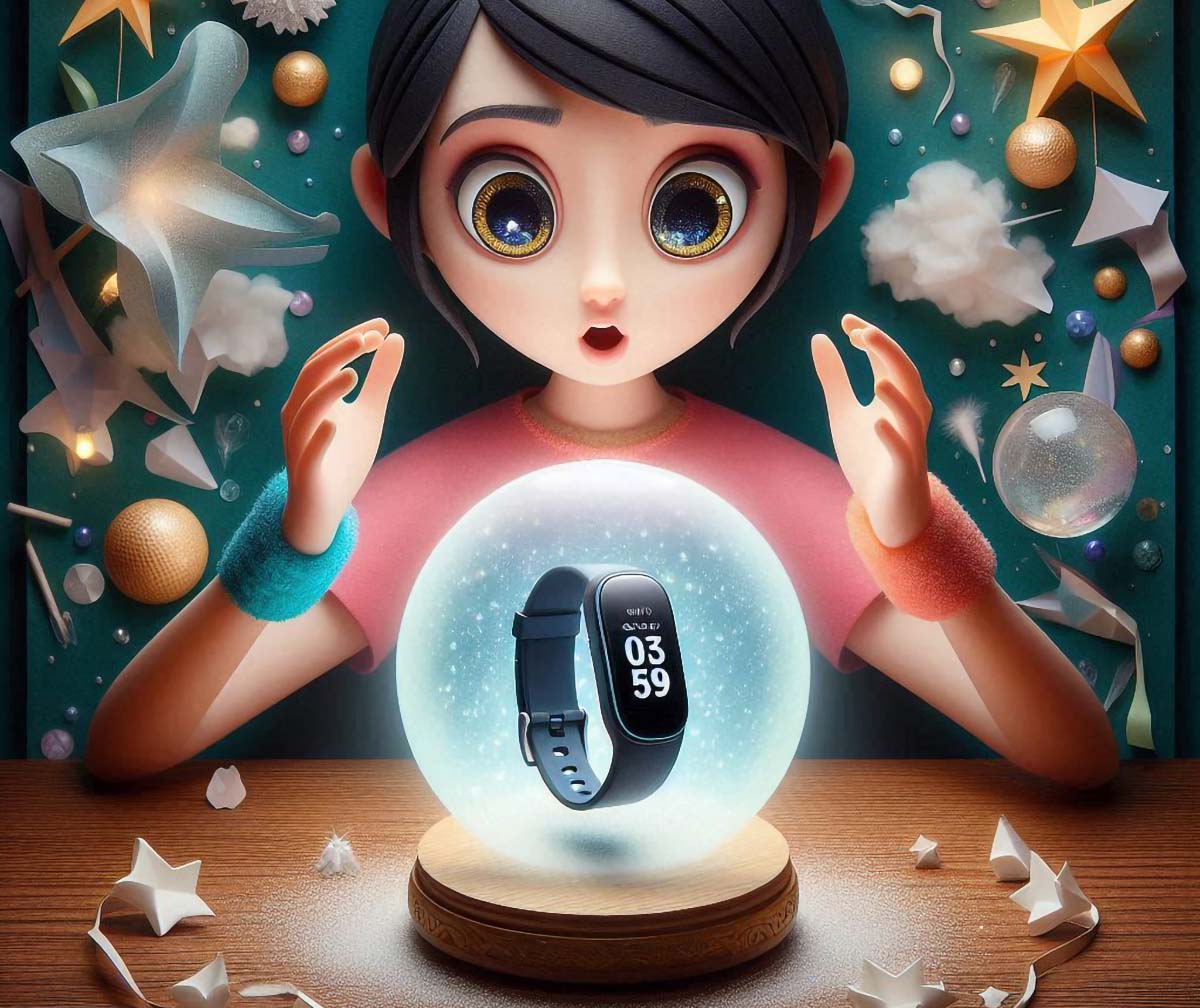
Your fitness tracker goes from being a historian to a fortune teller by tracking subtle changes in your body and using them to predict changes in your health before your body shows noticeable symptoms. So, how do wearables do this?
The Secret Clues
Predicting health changes relies on small but highly revealing physiological cues. One of the most important is heart rate variability (HRV). HRV measures how adaptable your nervous system is, and how efficiently your body shifts between stress and recovery. When your resilience is high, HRV tends to be elevated and stable. When your system is overwhelmed, HRV often drops. One bad day might temporarily lower it, but a downward trend over several days typically indicates something else.
Resting heart rate offers another valuable clue. A subtle rise of just a few beats per minute can indicate inflammation, an active immune response, or that you need more time to recover. It’s not dramatic enough to feel, but it’s enough for your fitness tracker or wearable to notice that the body is working harder than usual.
Respiratory rate and nighttime temperature trends are equally important for predicting changes in your health. A slight increase in breathing rate may precede congestion or respiratory illness. A mild rise in temperature can reflect immune system activity before a fever develops. These changes aren’t enough to draw your attention, but your wearable notices them.
Exercise data also plays a role. If your typical workout suddenly feels harder or if your heart rate is higher than usual, your wearable interprets this as reduced cardiovascular efficiency. This is often one of the earliest signs of fatigue, illness, or a drop in your overall readiness.
By themselves, these clues might seem insignificant. However, when combined, they create a reliable picture of what’s happening beneath the surface. Predicting changes in your health goes from being magic to explainable science.

What Your Body Shows Before You Feel It
Your body typically signals internal strain well before you notice any symptoms. For example, Illness rarely arrives out of nowhere. In the days leading up to it, your immune system begins to react, which shows up as a dip in HRV, an increase in resting heart rate, shifts in temperature, and an elevated breathing rate. You may still feel fine, but the data tells a different story.
Overtraining follows a similar pattern. A few days of intense workouts may seem manageable, but the nervous system and muscles might not have fully recovered. When HRV remains low, resting heart rate stays elevated, and sleep becomes less restorative, your wearable recognizes that you’re not recovering properly. If ignored, performance will decline, and the risk of injury increases.
Chronic stress generates its own pattern. Even when your mind doesn’t perceive extreme stress, your autonomic nervous system often does. This affects your HRV, sleep, and recovery. These signals often precede episodes of burnout before you become aware. However, it was detectable from the data days earlier.
The point is that changes in your body are measurable when its signals are tracked. So, predicting changes in your health is a matter of interpreting the data against your healthy self.
Staying Ahead Of Your Health Changes
The real value of prediction comes from using it to guide your choices. When your wearable signals that HRV has been falling for several days while your resting heart rate and stress markers rise, it’s a sign to adjust. Instead of pushing through a workout, swap it for a rest-day workout, yoga, or a day off to help your system recover.
If early indicators of illness appear, small changes can make a meaningful difference. More sleep, better hydration, and a temporary reduction in training intensity can give your immune system room to respond effectively.
Treating your wearable as an advisor rather than a judge helps you make timely adjustments and stay consistent. Over time, these adjustments reduce the frequency and severity of setbacks, allowing for steadier progress and fewer interruptions in your training or daily routine.
What’s Next For Wearables?
Predictive technology is poised for significant advancement. While this is all speculative, future wearables will likely estimate hydration levels through skin sensors, identify cardiovascular strain before noticeable symptoms, track more intricate respiratory patterns, and attempt to deliver more accurate assessments of your biological age. All done from passively collecting data about your body.
Even more transformative will be multimodal prediction. Wearables could synthesize environmental data, stress levels, movement patterns, and light exposure alongside your body’s internal metrics. Imagine being told early in the evening that you’re on track for poor sleep unless you adjust your routine, or that a subtle combination of signals matches early cardiovascular stress worth getting checked.
As predictions become more accurate, wearables will shift from fitness tools to genuine health partners that help protect your daily well-being and long-term health.
Conclusion
Wearables are beginning to identify early physiological changes that once went unnoticed. By detecting subtle shifts in recovery, strain to the nervous system, and immune activity before symptoms appear, wearables offer the opportunity to intervene earlier and avoid setbacks that once seemed sudden or unavoidable.
The real advantage lies in using these insights to make timely adjustments that support long-term resilience, such as choosing rest over a workout, adjusting intensity before illness hits, or modifying routines when recovery is needed. As wearables continue to evolve into proactive health partners, the ability to anticipate your body’s needs will become a cornerstone of maintaining consistency, performance, and long-term well-being.
FitTrend’s mission is to help you along your self-improvement journey, promote an active lifestyle, and help you achieve your goals. Our journal can help you track your workouts, weight, mood, calories, and more. Also, FitTrend allows you to connect supported gadgets to your account to make it easier for you to update your journal automatically. Create your account today and start using FitTrend for free!
Disclaimer: No content on this site should ever be used as a substitute for direct medical advice from your doctor or other qualified clinician.